Elena Subach (1980) is a Ukrainian visual artist and photographer. Born in Chervonohrad, Ukraine. Currently based in Lviv, Ukraine.
In her artistic practice, Elena is concerned with questioning religion, tradition, the construction of history, and the consequences of soviet colonial pasts. Since 2018, Elena has developed these ideas in her project on Grandmothers on the Edge of Heaven, for which she is researching and photographing crowded religious celebrations and ceremonies in Ukraine. The urge to show this rich Ukrainian heritage through an artistic eye is present in everything she captures and the inspiration she gets from her motherland is endless.
In her previous projects (prior to the full-scale invasion of 2022), Elena Subach has been totally distanced from the documentary genre, but the unfolding history forces Ukrainian artists to use all their tools to register the testimonies. Elena balances photography as a record and as a personal statement.
Considering that the context in which we currently live is undergoing radical changes, Elena believes that approaches within her artistic practice should also shift. Now they tend towards engagement/co-creation practices with various communities, particularly with internally displaced persons.
Anxious Home
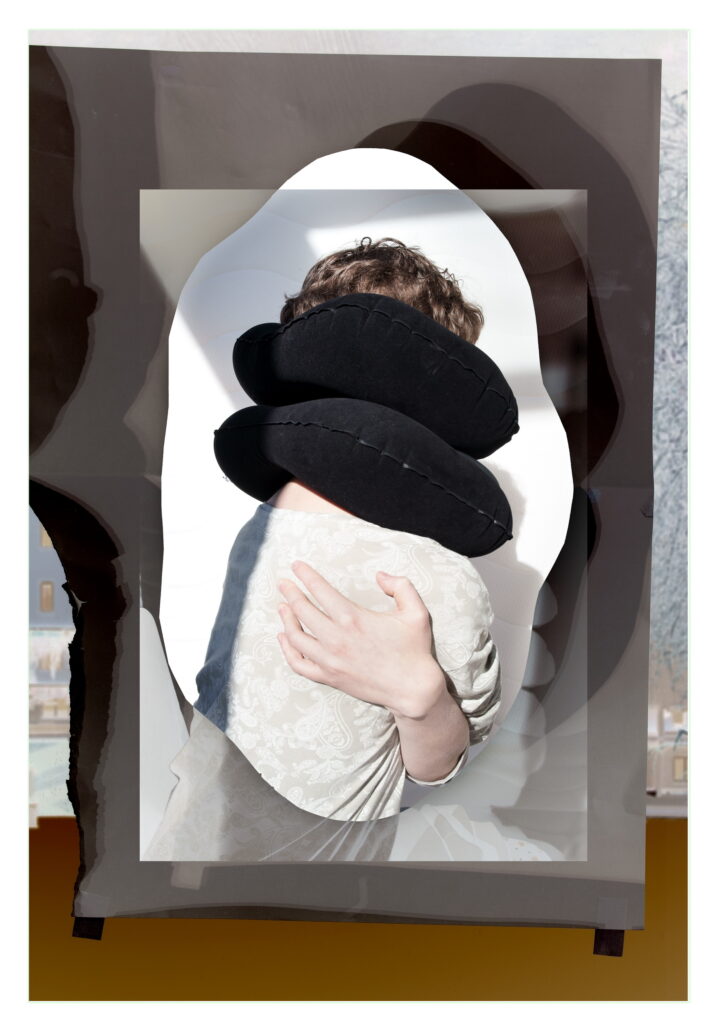
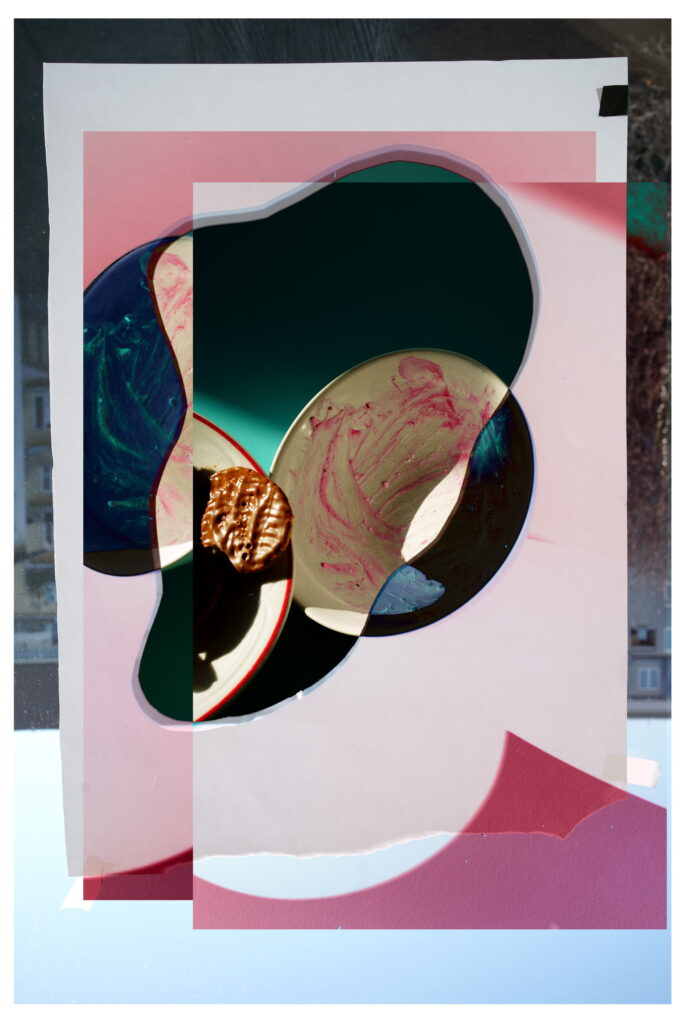
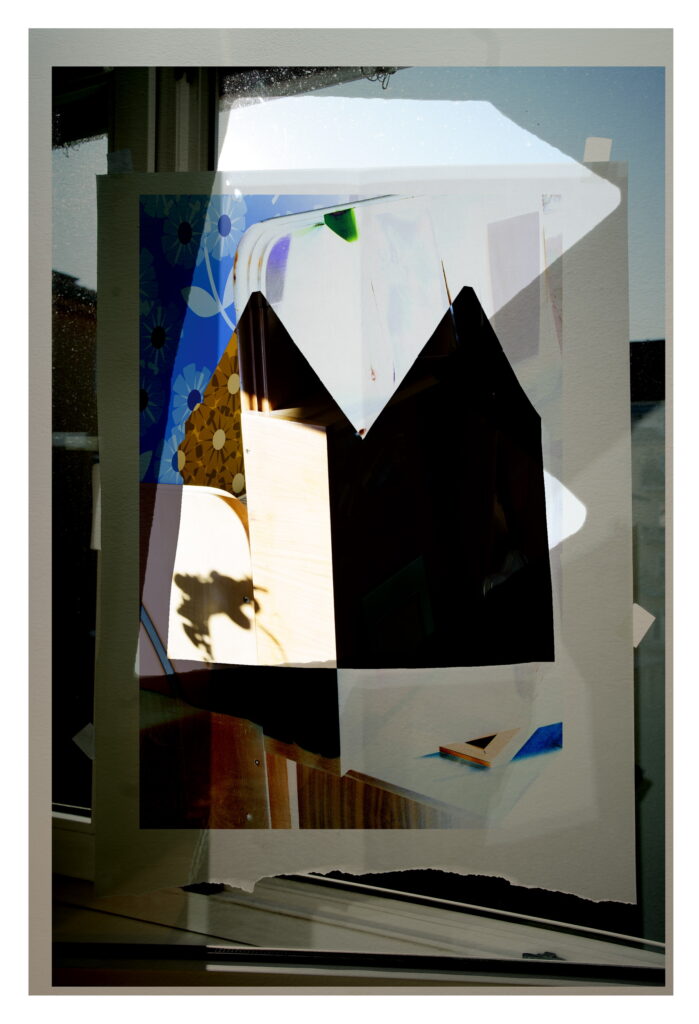
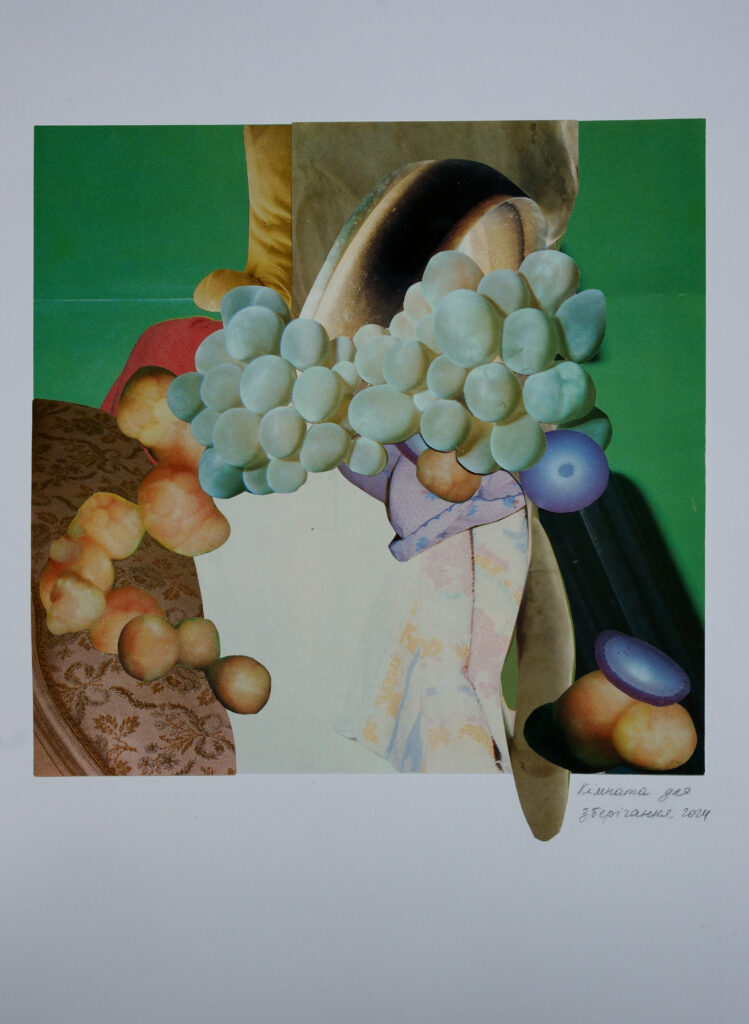
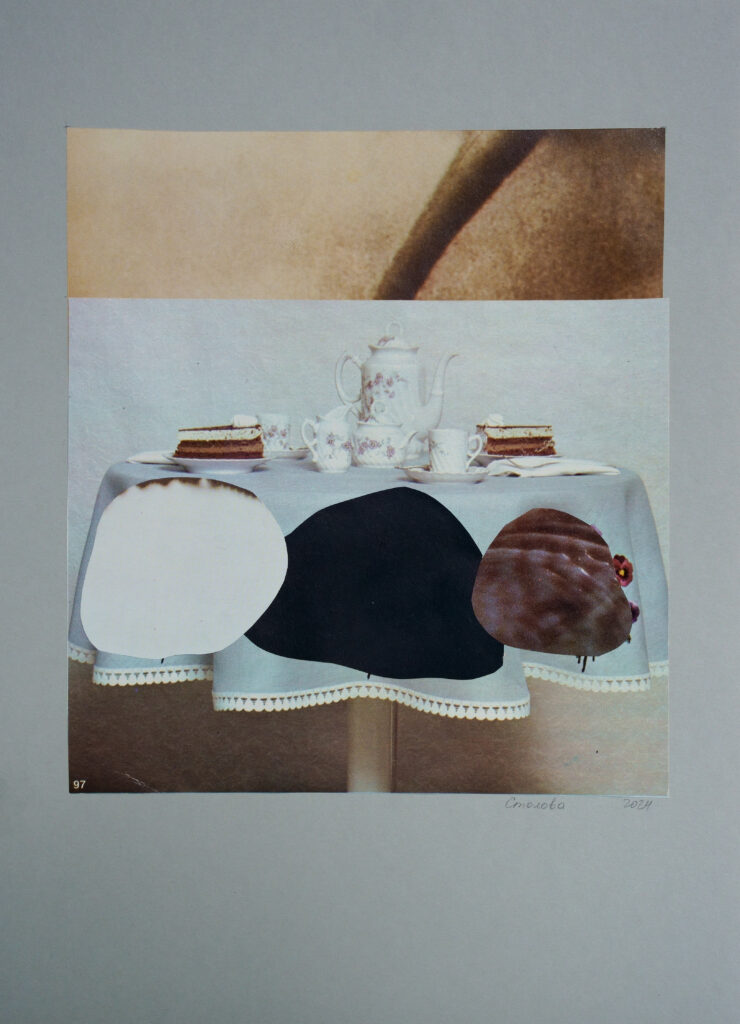
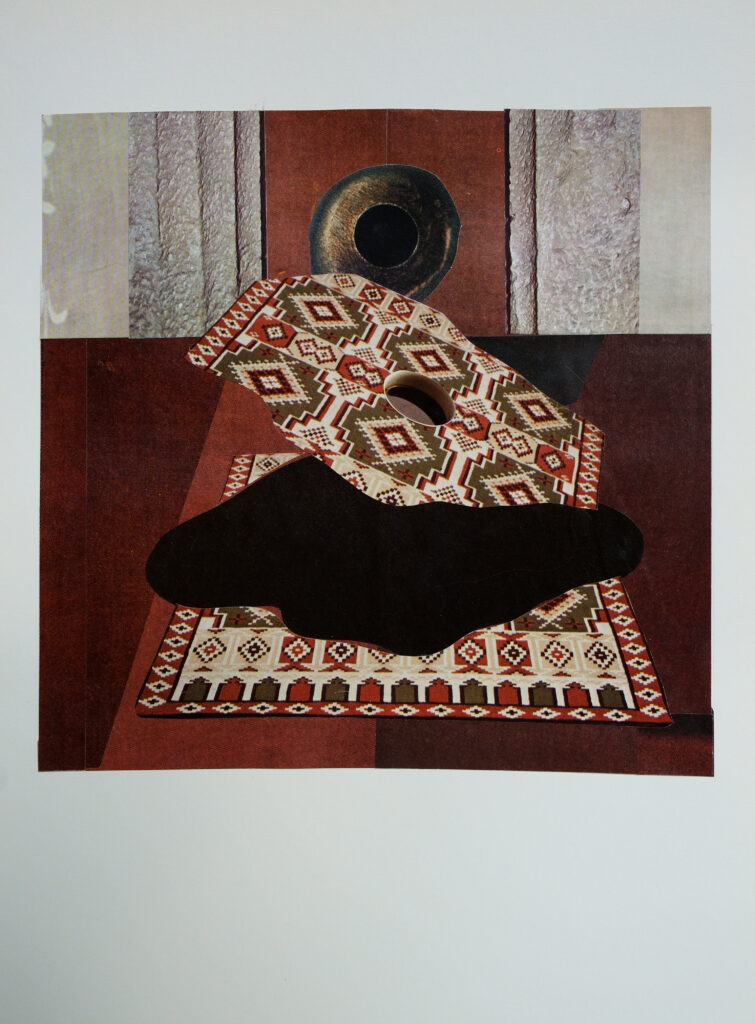
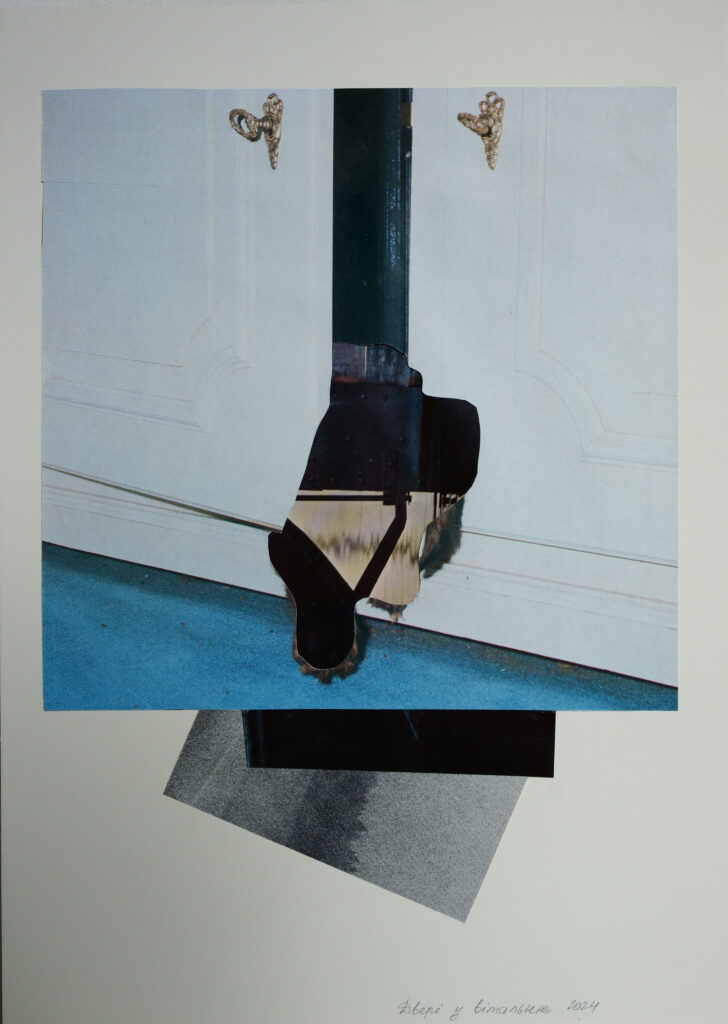
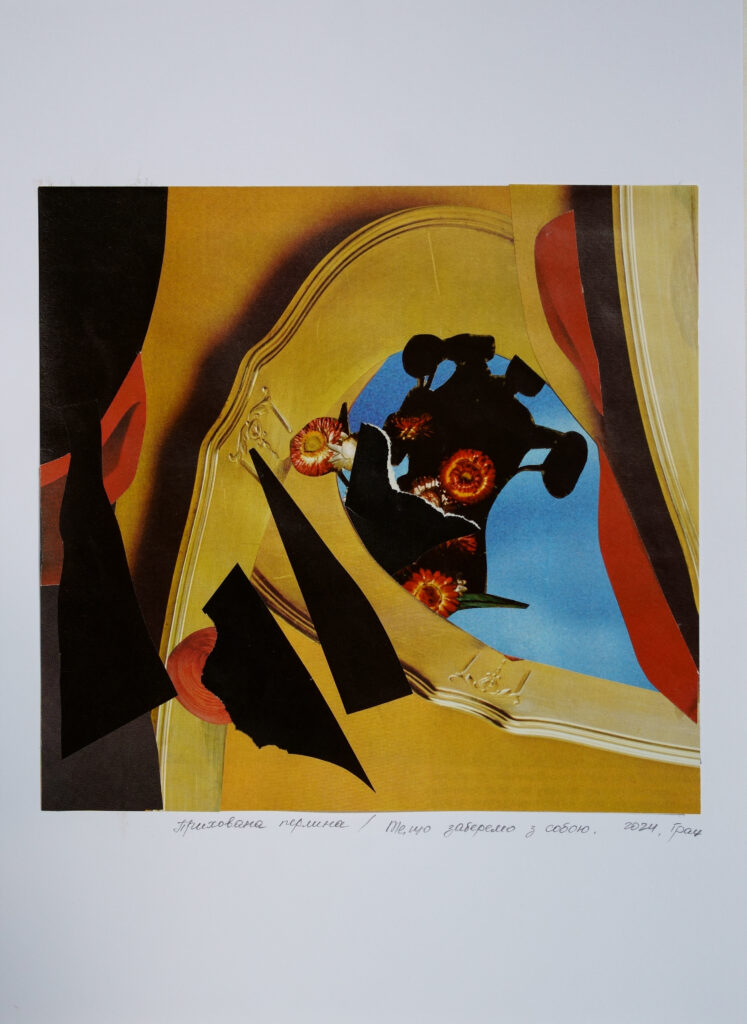
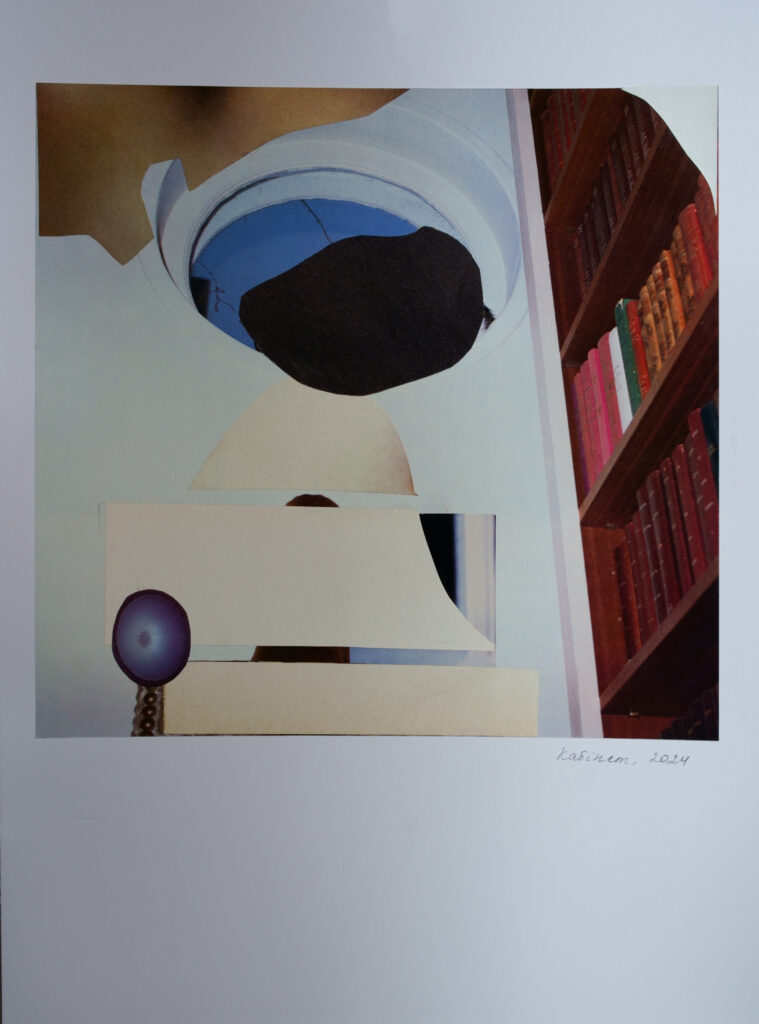
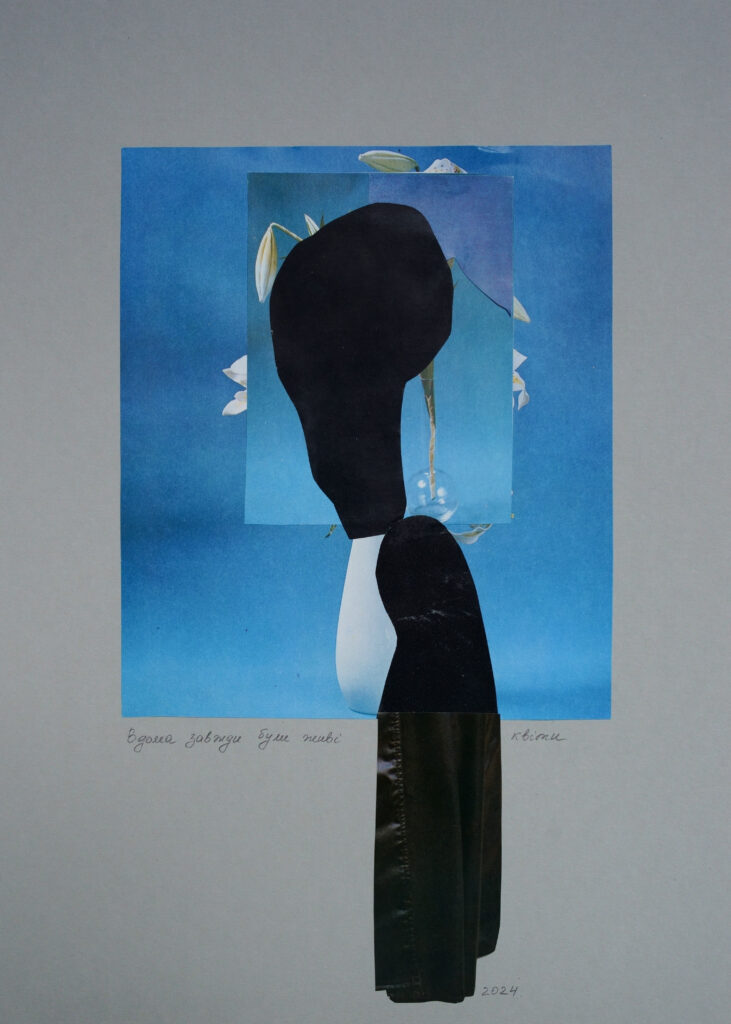
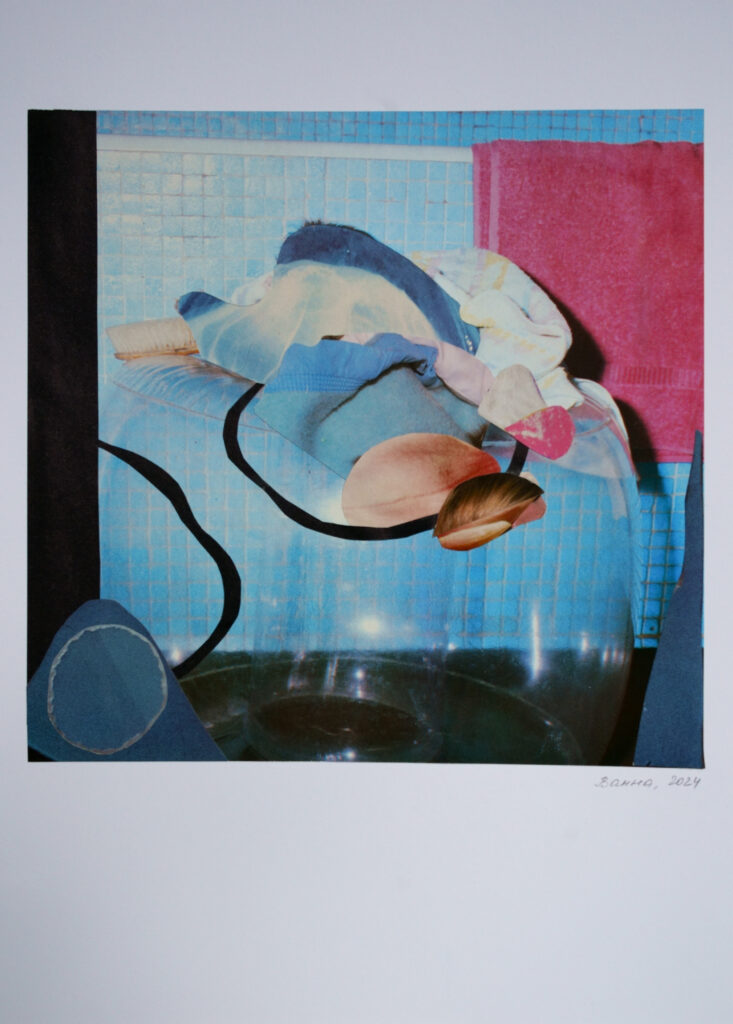
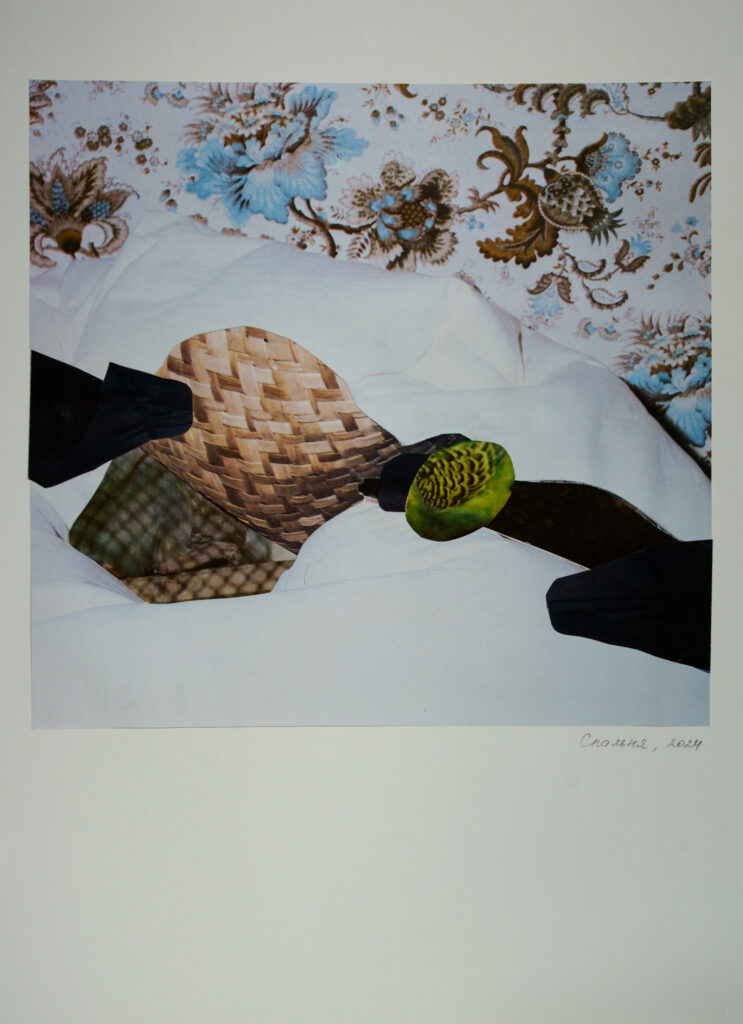
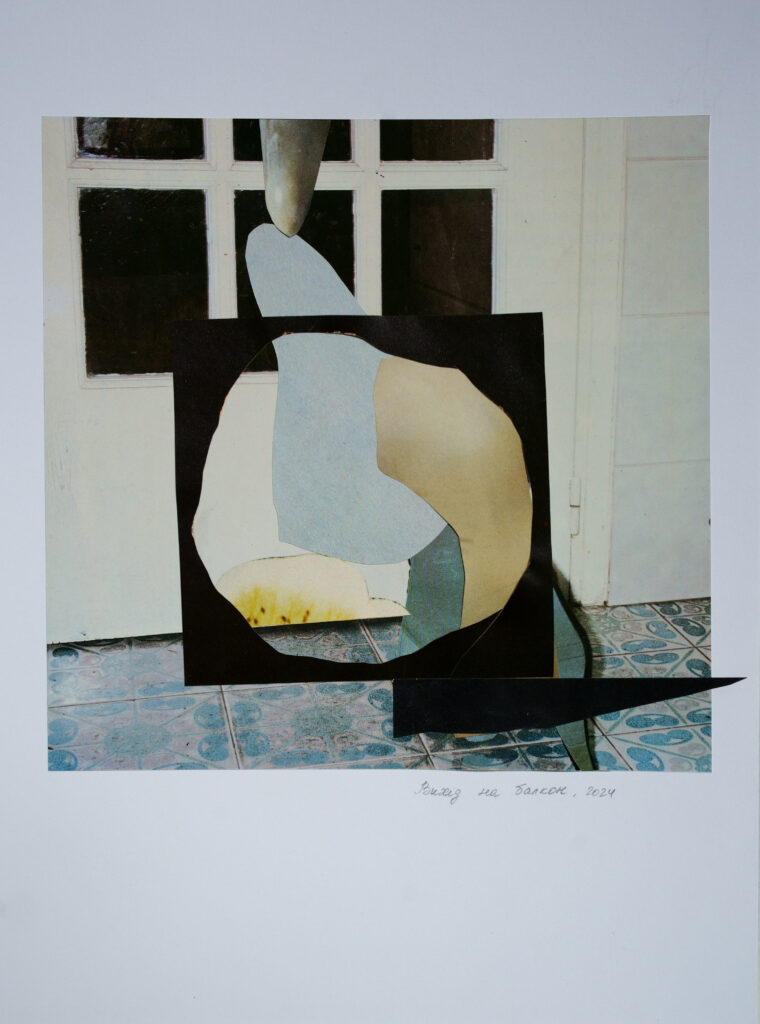
“During the residency, I started working with a new technique for myself – paper collage. The intention was as follows: through the materiality of paper found in another country, through the process of destroying the original image, to give memories of home forms and weight, to transfer them from the world of imagination into reality, and perhaps paradoxically, to revive them in a new quality. Thus arose the series “Anxious Home,” consisting of images of different functional rooms in the house, changes in them carefully examined, as in medical scanning, darkening – what needs to be removed, and the rest of the space – for treatment and rehabilitation.
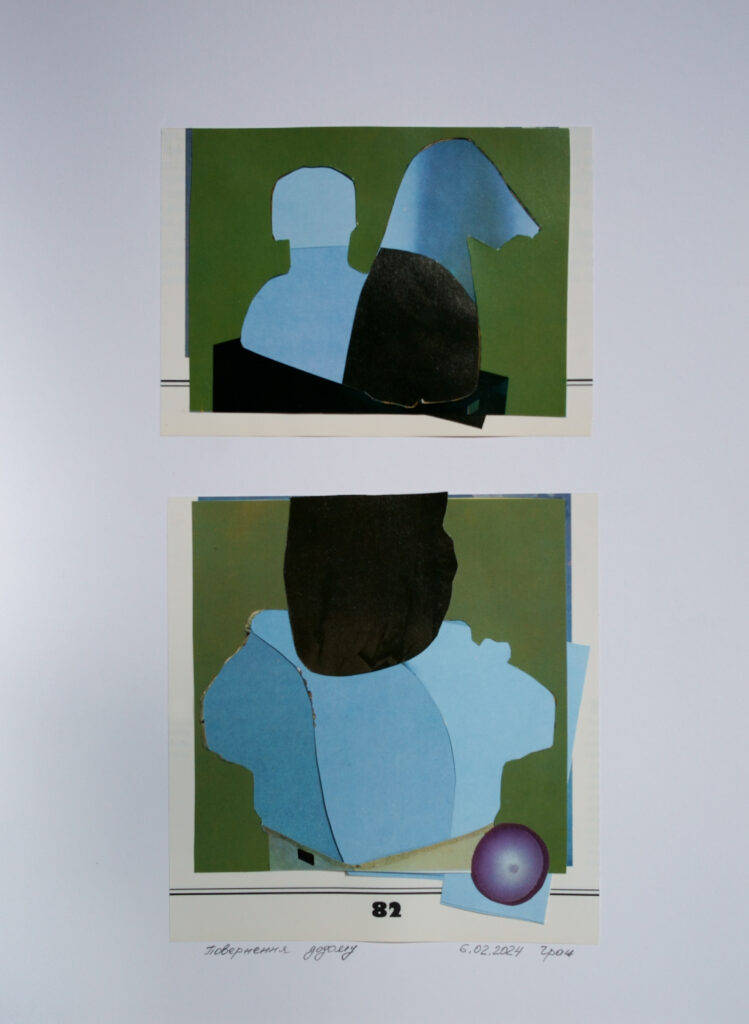
Naprosvit
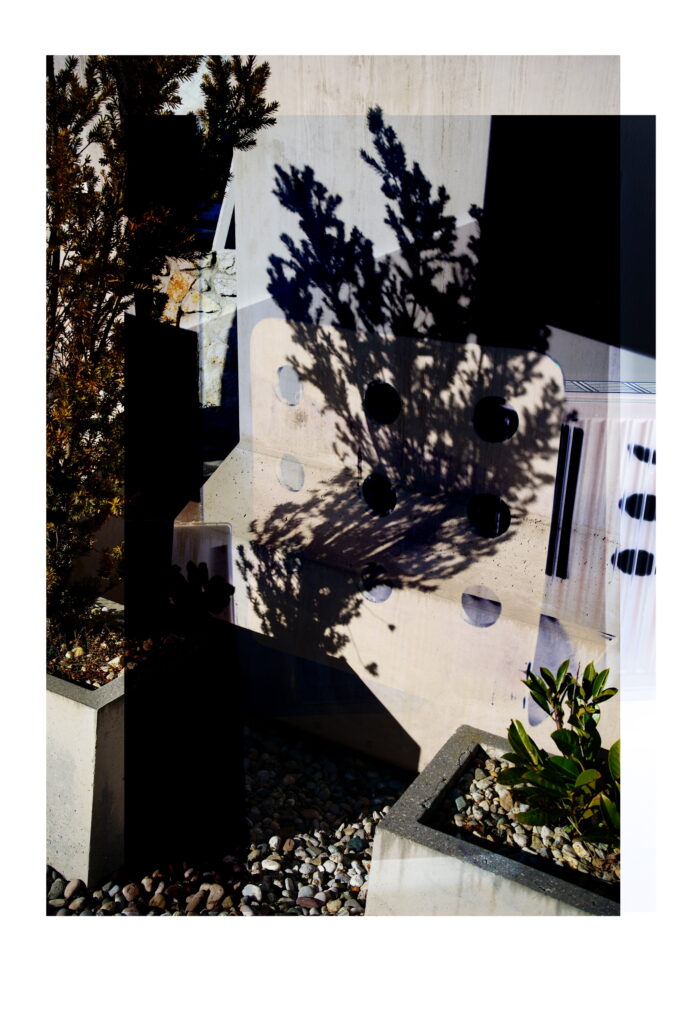
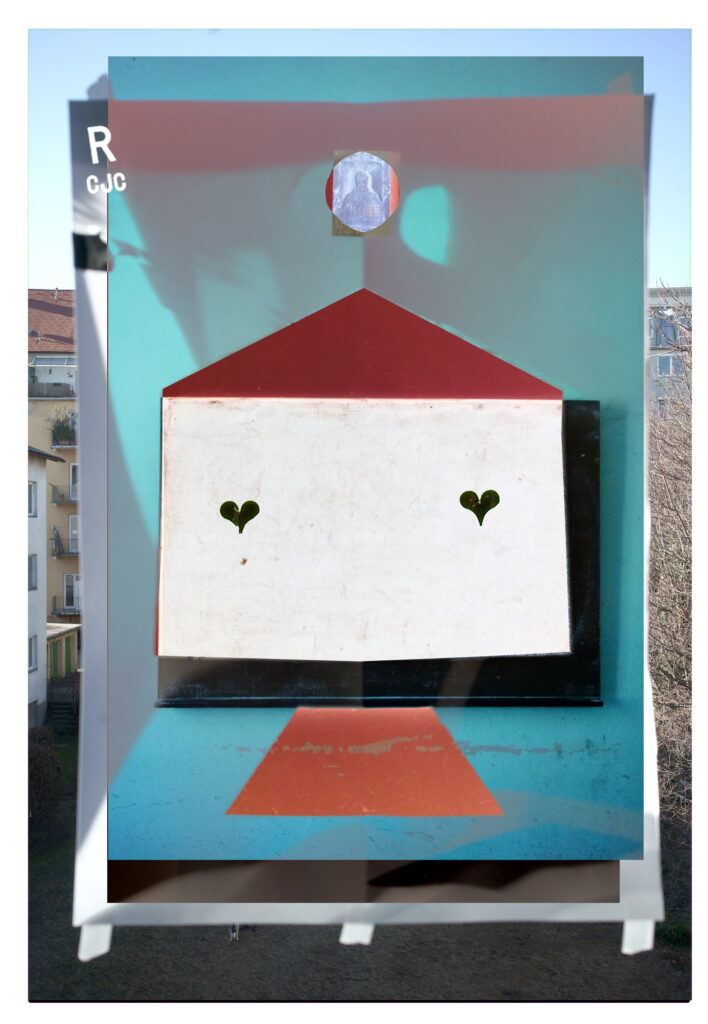
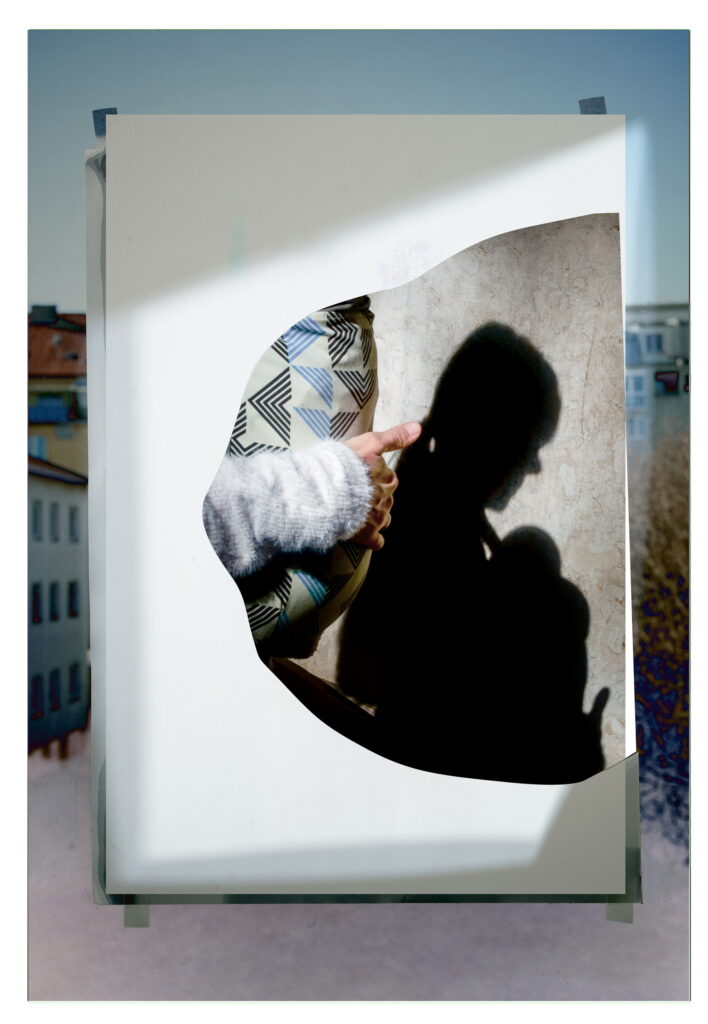
The theme of shadow became key in creating digital collages of the “Naprosvit” (Backlight) series. In memories of Francis Bacon, there is a story where he points out to his interlocutor: “Do you see how it blends into the figure, like a disease?” Some artists viewed the shadow as a means to make objects real, creating an illusion, but Bacon perceived shadows as ghosts, accompanying life: as a constant reminder of its fragility and vulnerability. Once he dreamed that he destroyed his shadow on the wall, thinking, “This will help my art.” I cannot destroy the shadows that threaten my country and our homes yet, but I try to grasp and mark them for further struggle and treatment.”